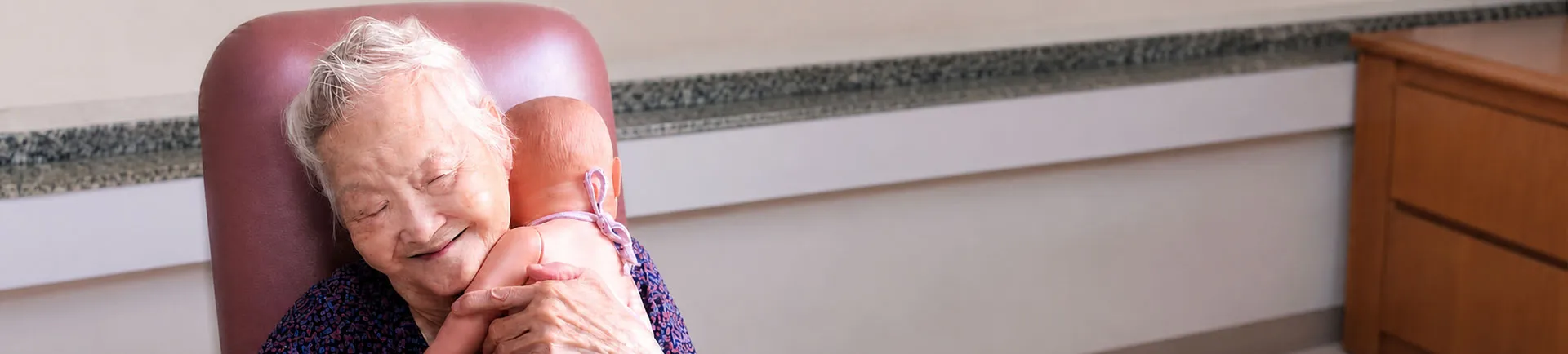
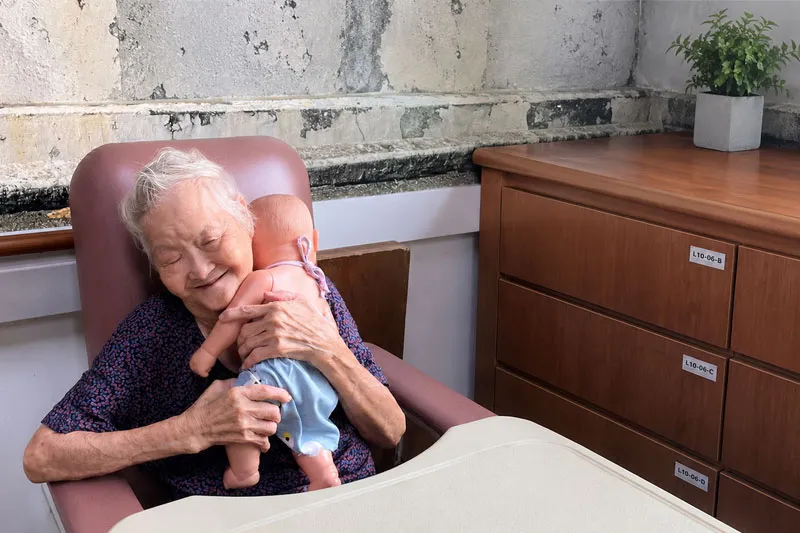
Understanding dementia — and finding the right care — takes time, information, and support. This section offers an introduction to dementia, life at Apex Harmony Lodge, and other trusted organisations beyond our walls.
What is Dementia
Dementia is a progressive condition affecting the brain — changing the way a person thinks, communicates, remembers, and moves through daily life. It is not a normal part of ageing, though it becomes more common as we grow older. According to the World Health Organization, dementia is one of the leading causes of disability among older people worldwide.
Living with dementia affects far more than memory. A person may experience changes in mood, behaviour, and personality; difficulty with familiar tasks or daily routines; challenges with communication; and shifts in the way they think and make decisions. Every person's experience is unique. With the right care and support, many individuals continue to live meaningful, fulfilling lives.
Dementia affects millions of people worldwide. Globally, an estimated 57 million people are living with dementia, with nearly 10 million new cases each year (World Health Organization, 2021).
In Singapore, about 1 in 10 adults aged 60 and above are living with dementia, based on findings from the Wellbeing of the Singapore Elderly (WiSE) Study by the Institute of Mental Health.
As our population ages, the number of people living with dementia is expected to increase, making awareness, early recognition, and support more important than ever.
Dementia affects not only the person living with the condition, but also the people around them — families, caregivers, friends, and the wider community.
For the individual, changes in memory, communication, and daily functioning can gradually alter how they experience the world. Familiar routines may become more challenging, while situations that were once simple can feel confusing or overwhelming. At the same time, many aspects of the person remain — including their preferences, emotions, and need for connection.
For families and caregivers, supporting a loved one with dementia can be both meaningful and demanding. Roles and relationships often shift over time, and caregivers may face practical, emotional, and financial challenges. Access to support and resources is important.
At a broader level, dementia shapes how communities respond and adapt. Creating inclusive environments, improving understanding, and reducing stigma are all part of supporting people living with dementia to remain connected to society.
Dementia is not a single condition — it is an umbrella term for a group of symptoms caused by different diseases affecting the brain. Understanding the type of dementia your loved one is living with can help you make sense of their experience and seek the most appropriate support.
The following are among the most common types of dementia. There are many other forms, each with distinct features and trajectories — your loved one's diagnosis may differ, and we encourage you to speak with their doctor for a more comprehensive overview.
- Alzheimer's Disease: The most common form of dementia, accounting for around 60–70% of all cases. Alzheimer's typically begins with mild memory lapses — misplacing objects, forgetting recent conversations — and gradually affects language, orientation, and the ability to carry out daily tasks. Changes in the brain begin years before symptoms appear.
- Vascular Dementia: The second most common type, caused by reduced blood flow to the brain — often following a stroke or series of small vessel changes. Symptoms may appear more suddenly than Alzheimer's and can include difficulties with planning, concentration, and processing speed. Memory may be less affected in the early stages.
- Lewy Body Dementia: Caused by abnormal protein deposits (Lewy bodies) in the brain, this type shares features with both Alzheimer's and Parkinson's disease. A person may experience vivid hallucinations, fluctuating alertness, sleep disturbances, and movement difficulties. Symptoms can vary significantly from day to day.
- Frontotemporal Dementia: Less common and often affecting people at a younger age, frontotemporal dementia primarily impacts behaviour, personality, and language rather than memory in the early stages. A person may seem uncharacteristically impulsive, withdrawn, or have increasing difficulty finding words.
There are a number of factors that may increase a person's risk for dementia. Importantly, some of these risk factors are modifiable — meaning there are steps that can be taken to support brain health across a lifetime.
- Age — the risk increases significantly after 65, though dementia is not an inevitable part of ageing.
- Genetics — a family history of dementia may raise risk, though most cases are not directly inherited.
- Cardiovascular health — conditions such as high blood pressure, diabetes, high cholesterol, and smoking are linked to higher risk, particularly for vascular dementia.
- Lifestyle factors — physical inactivity, poor sleep, social isolation, and chronic stress have all been associated with increased risk.
- Head injury — a history of significant head trauma may raise the risk of certain types of dementia.
Importantly, some of these risk factors are modifiable — meaning there are steps that can be taken to support brain health across a lifetime.
Research points to five lifestyle domains that support brain health and may reduce the risk of dementia:
- N — Nourish: A balanced diet rich in antioxidants, healthy fats, and vitamins supports brain health and reduces key risk factors.
- E — Exercise: Regular physical activity improves blood flow to the brain and helps manage weight and blood pressure.
- U — Unwind: Managing stress through mindfulness and relaxation protects the brain from the effects of chronic pressure.
- R — Rest: Quality sleep allows the brain to clear toxins and consolidate memories — both essential for long-term cognitive health.
- O — Optimise: Challenging the brain through new learning, social engagement, and mental stimulation builds cognitive reserve over time.
A well-designed space can meaningfully reduce confusion, improve safety, and support independence for persons living with dementia. Research consistently shows that thoughtful environmental design helps people navigate their surroundings with greater ease and confidence. In practice, this means:
- Clear wayfinding — signs and visual cues that make navigation intuitive.
- Familiar surroundings — personal objects and meaningful décor that anchor a sense of self.
- Reduced overstimulation — minimising noise and visual clutter to support calm.
- Good lighting — bright, shadow-free spaces that reduce disorientation.
- Safety features — grab bars, non-slip flooring, and the removal of trip hazards.
Meaningful communication remains possible in dementia — but requires a shift in approach. With patience and attentiveness, connection endures even when words become more difficult.
What helps:
- Keep it simple — short, direct sentences are easier to follow.
- Make eye contact — it signals presence and attentiveness.
- Be patient — allow time to process and respond without rushing.
- Use a calm tone — emotions are often mirrored, so your calm becomes theirs.
- Lean on non-verbal cues — gestures, touch, and facial expressions carry meaning when words fall short.
What to avoid:
- Correcting or arguing — focus on feelings rather than facts.
- Too many choices at once — keep it simple: this or that, not an open question.
- Speaking too quickly — slow down to match their pace.
Living at the Lodge
Knowing when to seek specialised dementia care is one of the most difficult decisions a family will face — and one of the most loving. This section is designed to help you understand what a purpose-built dementia home can offer, and feel confident that you are not alone in making this decision.
There is no single moment that signals the right time. For most families, it is a gradual recognition — that the level of care needed has grown beyond what can be safely provided, and that a more enabling environment may give your loved one a better quality of life. The following are signs that it may be time to consider a specialised dementia home:
- Increasing care needs When daily activities such as bathing, dressing, or managing medication become increasingly complex and require consistent, around-the-clock professional support.
- Changes in behaviour When significant shifts in mood, personality, persistent restlessness, or agitation begin to affect your loved one's comfort, safety, and quality of life.
- Safety concerns When wandering, disorientation in familiar surroundings, or household hazards create risks that a home environment can no longer safely manage.
- Caregiver stress When the physical and emotional demands of caregiving begin to affect your own health and wellbeing — or the quality of your relationship with your loved one. Recognising this is not a failure; it is an act of honesty and care.
- Need for meaningful engagement When daily routines at home no longer provide the cognitive stimulation, structured activity, and social connection that are essential for dignity and joy.
A purpose-built dementia home provides more than care — it provides an environment specifically designed to support your loved one to live as fully as possible.
At Apex Harmony Lodge, this means:
- Around-the-clock holistic care — professionals experienced in caring for persons with dementia are available around the clock
- Person and ability-centred programmes — activities tailored to individual interests, abilities, and life histories
- Dementia-friendly design — spaces planned to reduce confusion, support independence, and promote calm
- Safe, social environments — secure settings where residents can move freely and connect with others
- Family partnership — ongoing communication, guidance, and involvement throughout your loved one's journey with us
Life at Apex Harmony Lodge is designed to feel like home — not an institution. This means attending to three things that matter equally: the spaces residents live in, the people around them, and how safe and known they feel as individuals.
The physical environment is purposefully designed to support independence, reduce confusion, and promote calm. Residents move through familiar, well-lit spaces with clear wayfinding, and enjoy access to gardens, resident animals — including koi fish and free-ranging chickens — and natural elements that offer quiet moments of connection and sensory comfort.
Models of Care
The social environment is warm and community-oriented. Residents live alongside peers from diverse backgrounds, build friendships, and take part in shared activities at the Chan Kum Leong Club — a wellness hub where residents from all seven Homes come together to learn, create, and engage. Families are welcomed as partners in care, and visits are warmly encouraged.
Our Programmes
The psychological environment is perhaps the most important of all. Every resident is known by name, by story, and by preference. Care is unhurried, relationships with staff are consistent, and each person is supported to feel a sense of belonging, identity, and emotional safety — not just physical safety.
Our Philosophy
What services does Apex Harmony Lodge provide? We provide residential dementia care with a strong focus on wellbeing, dignity, and quality of life. This includes assistance with daily living activities, nursing support, and a structured, therapeutic environment tailored to each resident's needs.
Models of Care
What is person-centred care? Person-centred care means placing each resident at the heart of everything we do. We take time to understand each person's life history, preferences, routines, and abilities — and shape our care around what matters most to them. It is an approach that honours dignity, supports independence, and affirms identity.
Our Philosophy
Can persons with dementia remain active and engaged? Yes. We offer a wide range of meaningful activities — music, art, movement, and nature-based programmes — designed to support physical, cognitive, and emotional wellbeing. Each programme is tailored to the individual, helping residents stay connected, find purpose, and enjoy a fulfilling daily life.
Our Programmes
What is the physical spaces like at the Lodge? The Lodge is designed to feel like home — safe, warm, and dementia-friendly. Thoughtfully planned spaces support independence while reducing confusion and anxiety. Residents enjoy access to gardens, natural elements, and resident animals including koi fish, butterflies, and squirrels — offering gentle opportunities to connect with nature and find comfort in everyday moments.
Models of Care
May family members visit or stay involved? Yes — and we strongly encourage it. Maintaining close relationships is important for each resident's emotional wellbeing, and families are valued partners in care. We welcome visits and support ongoing communication to ensure every resident feels connected, loved, and supported.
Contact Us
Further Support
Navigating dementia — whether as a family member, caregiver, or someone seeking to understand a new diagnosis — can feel overwhelming. The organisations below are trusted sources of information, support, and guidance. Together they cover the wide spectrum of dementia care in Singapore and beyond, from community programmes and caregiver support to clinical resources and care navigation. We encourage you to explore them alongside what you find here at Apex Harmony Lodge.
DementiaHubSG
Singapore's national resource for dementia information, caregiver support, and service navigation. A natural stop for families at any stage of the journey.
www.dementiahub.sg
Dementia Singapore
A leading dementia-specific charity in Singapore, offering community programmes, training, support groups, and advocacy for persons living with dementia and their caregivers.
www.dementia.org.sg
CARA
A national programme supporting dementia-friendly communities and caregiver resilience, connecting families with local resources and peer support networks.
www.cara.sg
Agency for Integrated Care (AIC)
The national body coordinating long-term and community care services in Singapore, including the subsidised nursing home application process.
www.aic.sg/Care-Services
Caregiver Alliance Limited
A Singapore-based organisation dedicated to supporting caregivers through education, respite programmes, and practical guidance — particularly relevant for families not yet at the stage of residential care.
www.mindfull.org.sg
Agency for Care Effectiveness (ACE), MOH
Publishes authoritative clinical guidelines on dementia management, useful for families seeking medically grounded information.
www.ace-hta.gov.sg
Alzheimer's Disease International
An international federation of Alzheimer and dementia associations, offering global perspectives, research updates, and resources across more than 100 countries.
www.alzint.org
World Health Organization — Dementia
Global data, research, and public health guidance on dementia, providing broader context for understanding the condition worldwide.
www.who.int